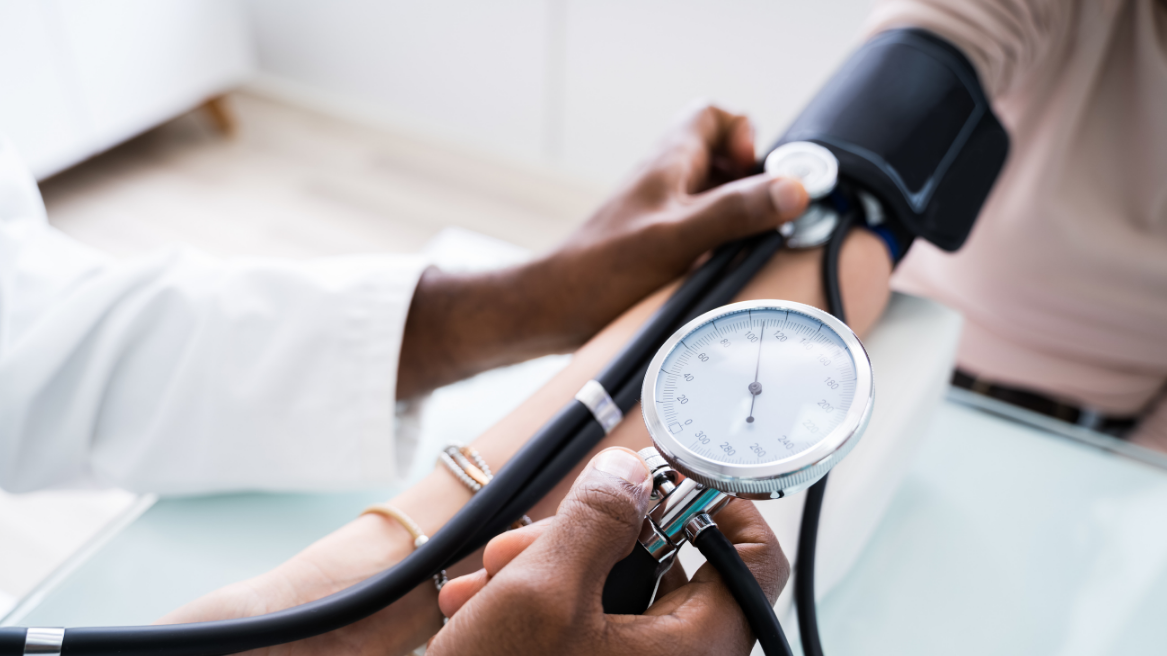
High blood pressure, or hypertension, is a common condition that affects millions of people worldwide. It occurs when the force of the blood against the walls of your arteries is consistently too high, which can lead to serious health issues, such as heart disease, stroke, and kidney problems. While high blood pressure is often manageable with medication, you can incorporate several lifestyle changes and strategies at home to control your blood pressure. In this blog, we’ll explore tips for monitoring and managing high blood pressure effectively from the comfort of your home.
Understanding High Blood Pressure
Blood pressure is measured in millimetres of mercury (mmHg) and consists of two numbers: systolic (the pressure when your heart beats) and diastolic (the pressure when your heart is at rest). A regular blood pressure reading is usually around 120/80 mmHg. High blood pressure is a reading consistently above 140/90 mmHg. If left untreated, high blood pressure can cause damage to your arteries and organs, so it’s crucial to monitor it regularly and take steps to manage it.
How to Monitor Your Blood Pressure at Home
Monitoring your blood pressure regularly is an important part of managing hypertension. By keeping track of your readings at home, you can better understand your health and adjust your treatment plan if necessary.
Use a Home Blood Pressure Monitor
The first step in monitoring your blood pressure at home is to invest in a reliable, accurate blood pressure monitor. There are two types of home monitors: manual and automatic. Automatic monitors are easier to use and are recommended for most people, as they provide quick and accurate readings. When purchasing a monitor, look for one validated by a health authority or clinical organisation for accuracy.
Correct Technique for Taking Readings
For the most accurate results, following the correct technique when taking your blood pressure is important. Here are some helpful tips:
- Sit quietly for 5 minutes before taking your reading. Avoid exercise, caffeine, or smoking for at least 30 minutes beforehand.
- Sit with your feet flat on the floor and your back supported. Keep your arm at heart level, resting on a table or armrest.
- Take multiple readings (at least two, a few minutes apart) and average the results for a more accurate measurement.
- Record your readings and share them with your healthcare provider during your check-ups.
Lifestyle Changes to Manage High Blood Pressure
In addition to monitoring your blood pressure, you can make several lifestyle changes to help manage high blood pressure.
Maintain a Healthy Diet
Eating a balanced diet plays a crucial role in managing blood pressure. The DASH diet (Dietary Approaches to Stop Hypertension) is recommended for people with high blood pressure. This diet emphasises:
- Fruits and vegetables: Aim for 5-9 servings per day.
- Whole grains: Opt for whole-grain bread, pasta, rice, and cereal.
- Lean proteins: Choose lean meats, poultry, fish, and plant-based protein sources like beans and nuts.
- Low-fat dairy: Include low-fat or fat-free milk, cheese, and yoghurt.
- Limit sodium: Reducing your salt intake is crucial for lowering blood pressure. Avoid processed foods, and cook with fresh ingredients whenever possible.
Exercise Regularly
Physical activity helps lower blood pressure by improving the efficiency of your heart and blood vessels. Aim for at least 30 minutes of moderate exercise most days of the week. Activities like walking, cycling, swimming, or gardening can help control your blood pressure. If you’re new to exercise, start slowly and gradually increase the intensity.
Maintain a Healthy Weight
Being overweight puts extra strain on your heart, leading to higher blood pressure. Losing weight, even a small amount, can significantly reduce your blood pressure. Combine a healthy diet with regular exercise to help achieve and maintain a healthy weight.
Limit Alcohol and Caffeine Intake
Excessive alcohol consumption and high levels of caffeine can both raise blood pressure. Aim to limit alcohol to no more than one drink per day for women and two for men. Reducing or eliminating caffeine from your diet can also help lower blood pressure, especially if you’re sensitive to its effects.
Reduce Stress
Chronic stress can contribute to high blood pressure, so it’s important to find ways to relax and unwind. Consider stress management techniques such as:
- Deep breathing exercises
- Meditation or mindfulness
- Yoga or Tai Chi
- Engaging in hobbies or activities that bring you joy
When to Seek Medical Advice
If your blood pressure readings are consistently high, or if you experience symptoms such as headaches, dizziness, or chest pain, it’s important to seek medical advice. Regular check-ups are essential to ensure that your blood pressure remains under control and that you’re taking the right steps to protect your health.
Conclusion
Managing high blood pressure at home requires a combination of monitoring, lifestyle changes, and, when necessary, medication. By following these tips and regularly tracking your blood pressure, you can effectively manage hypertension and reduce the risk of complications.