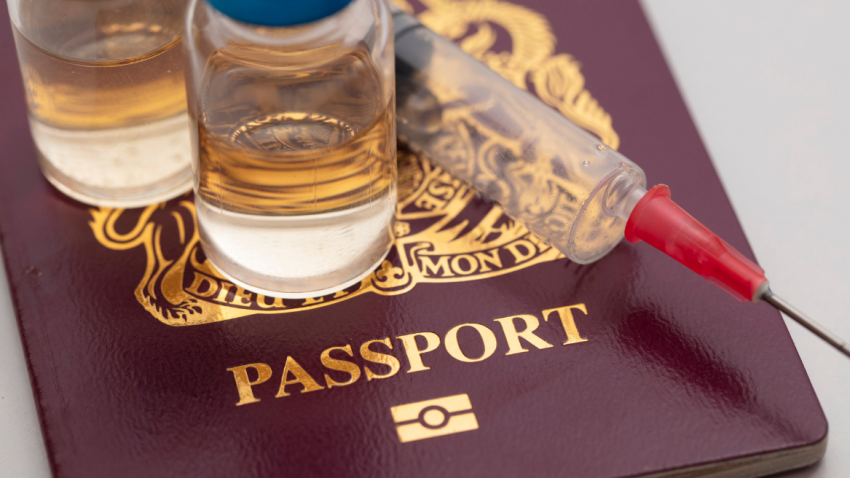
Travelling to new destinations is an exciting experience, but before you pack your bags and head off on your next adventure, it’s essential to ensure you’re protected against diseases that may be common in the country you’re visiting. Travel vaccinations play a crucial role in keeping you safe and healthy while abroad. This guide will provide everything you need to know about travel vaccinations, including why they are important, which vaccines you may need, and how to prepare before your trip.
Why Are Travel Vaccinations Important?
When travelling internationally, you may be exposed to uncommon or absent diseases in your home country. Many of these diseases are preventable with the right vaccinations. Travel vaccinations are an essential part of travel preparation, as they protect your health and reduce the risk of transmitting infections to others.
Some regions of the world have higher incidences of infectious diseases like hepatitis A, typhoid, malaria, and yellow fever. Vaccinations help to protect you from these diseases and ensure that you have a safe and enjoyable trip. Additionally, certain countries require proof of vaccination before entry, such as the yellow fever vaccine, which is necessary for travel to specific parts of Africa and South America.
Common Travel Vaccinations You May Need
The vaccines required for your trip depend on several factors, including your destination, the duration of your stay, your vaccination history, and the activities you plan to engage in. Below are some of the most common travel vaccinations:
Hepatitis A and Hepatitis B
Both hepatitis A and hepatitis B are liver infections caused by viruses. Hepatitis A is typically contracted through contaminated food or water, while hepatitis B is transmitted through contact with infected bodily fluids. It is recommended to get the hepatitis A and B vaccines if you travel to areas with limited sanitation or higher rates of the virus.
Typhoid
Typhoid fever is caused by the Salmonella bacteria and is common in parts of Asia, Africa, and Latin America. It spreads through contaminated food and water, making it important to get vaccinated if you’re travelling to countries with poor sanitation. Typhoid vaccination is highly recommended for travellers heading to rural areas in developing countries.
Yellow Fever
Yellow fever is a viral infection transmitted by mosquitoes and is prevalent in sub-Saharan Africa and parts of South America. This vaccination is mandatory for entry to certain countries in these regions. The yellow fever vaccine is usually administered at least 10 days before travel, and proof of vaccination may be required upon arrival.
Malaria Prevention
While there is no vaccine for malaria, travellers to malaria-endemic regions should take preventative medication to reduce the risk of contracting the disease. Your healthcare provider will prescribe antimalarial drugs, and you’ll also need to take other precautions, such as using insect repellent and sleeping under mosquito nets.
Meningitis
Meningitis is a bacterial infection that affects the membranes covering the brain and spinal cord. It can be spread through close contact, making it a concern for travellers, particularly in sub-Saharan Africa. The meningococcal vaccine is recommended for people visiting countries in the “meningitis belt,” especially during the dry season.
Tetanus, Diphtheria, and Pertussis (Tdap)
The Tdap vaccine protects against three serious diseases: tetanus, diphtheria, and pertussis (whooping cough). It’s especially important for travellers who may be exposed to injuries or unclean environments where tetanus is a risk. Ensure your vaccination is current before travelling, especially if you’re visiting rural or remote areas.
How to Prepare for Travel Vaccinations
Schedule Your Vaccinations Early
It’s recommended to schedule your travel vaccinations at least 4 to 6 weeks before your trip. This allows enough time for vaccinations to take effect and for any follow-up doses to be administered. Some vaccines, like the yellow fever vaccine, may require planning, so don’t leave your vaccinations to the last minute.
Visit a Travel Clinic
Travel clinics specialise in providing vaccinations and health advice tailored to your travel destination. These clinics can provide personalised recommendations based on your travel itinerary, medical history, and specific risks. It’s a good idea to visit a travel clinic well before your departure to ensure you’re fully vaccinated and prepared.
Keep a Record of Your Vaccinations
It’s important to record all the vaccinations you’ve received, especially if you must show proof upon entry to certain countries. Make sure to carry your vaccination certificate with you during your trip, as some countries require this document for immigration purposes, such as proof of yellow fever vaccination.
Additional Travel Health Tips
Alongside vaccinations, there are other important health precautions you should take to stay safe during your travels:
- Drink bottled or purified water: In some destinations, tap water may not be safe to drink. Stick to bottled or purified water to avoid waterborne illnesses.
- Use insect repellent: In malaria-endemic areas, using insect repellent and wearing long-sleeved clothing can help protect against mosquito bites.
- Be cautious with food: Avoid street food or food from vendors in areas with poor sanitation. Stick to freshly cooked meals to reduce the risk of foodborne illnesses.
- Pack a first-aid kit: Always have a travel first-aid kit with basic supplies, including pain relievers, antiseptics, bandages, and any necessary prescription medications.
Conclusion
Travel vaccinations are an essential part of preparing for a safe and healthy trip. By ensuring that you’re vaccinated against common travel-related diseases, you protect yourself and those you encounter during your travels. Speak to a healthcare professional or visit a travel clinic to determine which vaccinations are necessary based on your destination and health needs. With the right preparations, you can enjoy your adventures without worrying about potential health risks.